When implementing a nationwide metering system, installing the individual meters is not the greatest challenge.
The real task is to ensure that hundreds of metering points, multiple sites, different electrical environments and a central data collection system ultimately operate as one integrated solution.
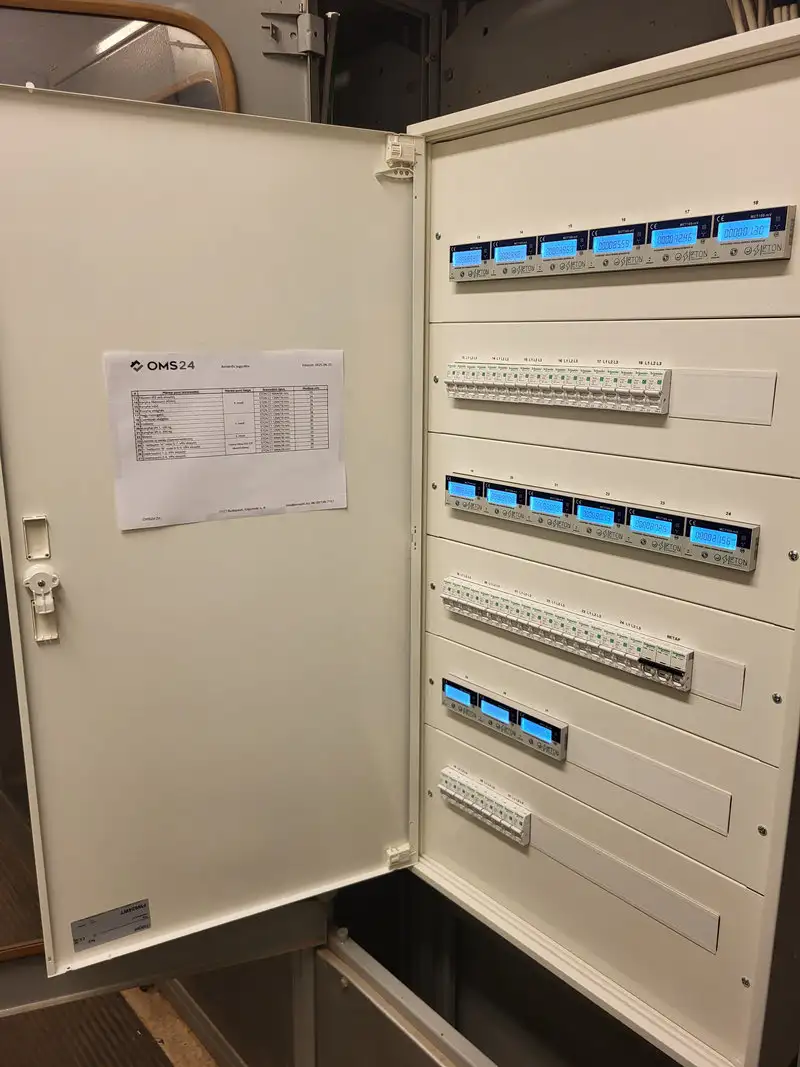
In summer 2025, OMS24 Zrt. completed the physical metering infrastructure for a nationwide remote data collection system across 16 sites.
The project included the installation or replacement of:
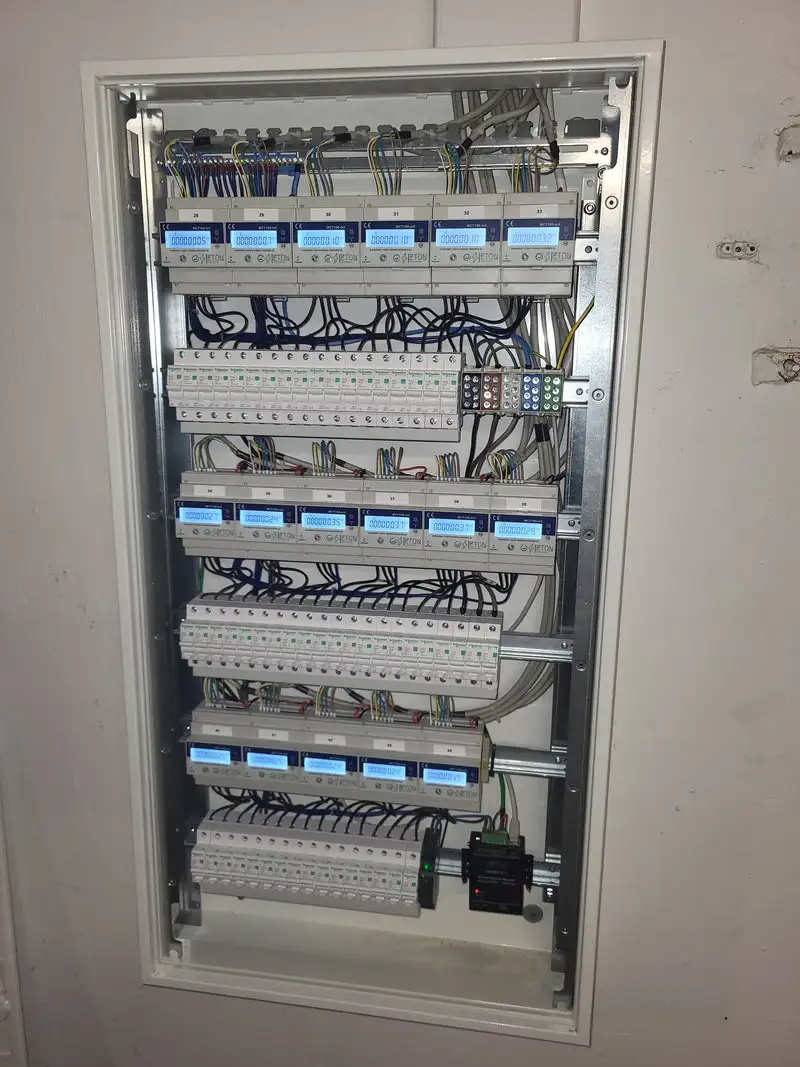
- 589 new three-phase ETON submeters;
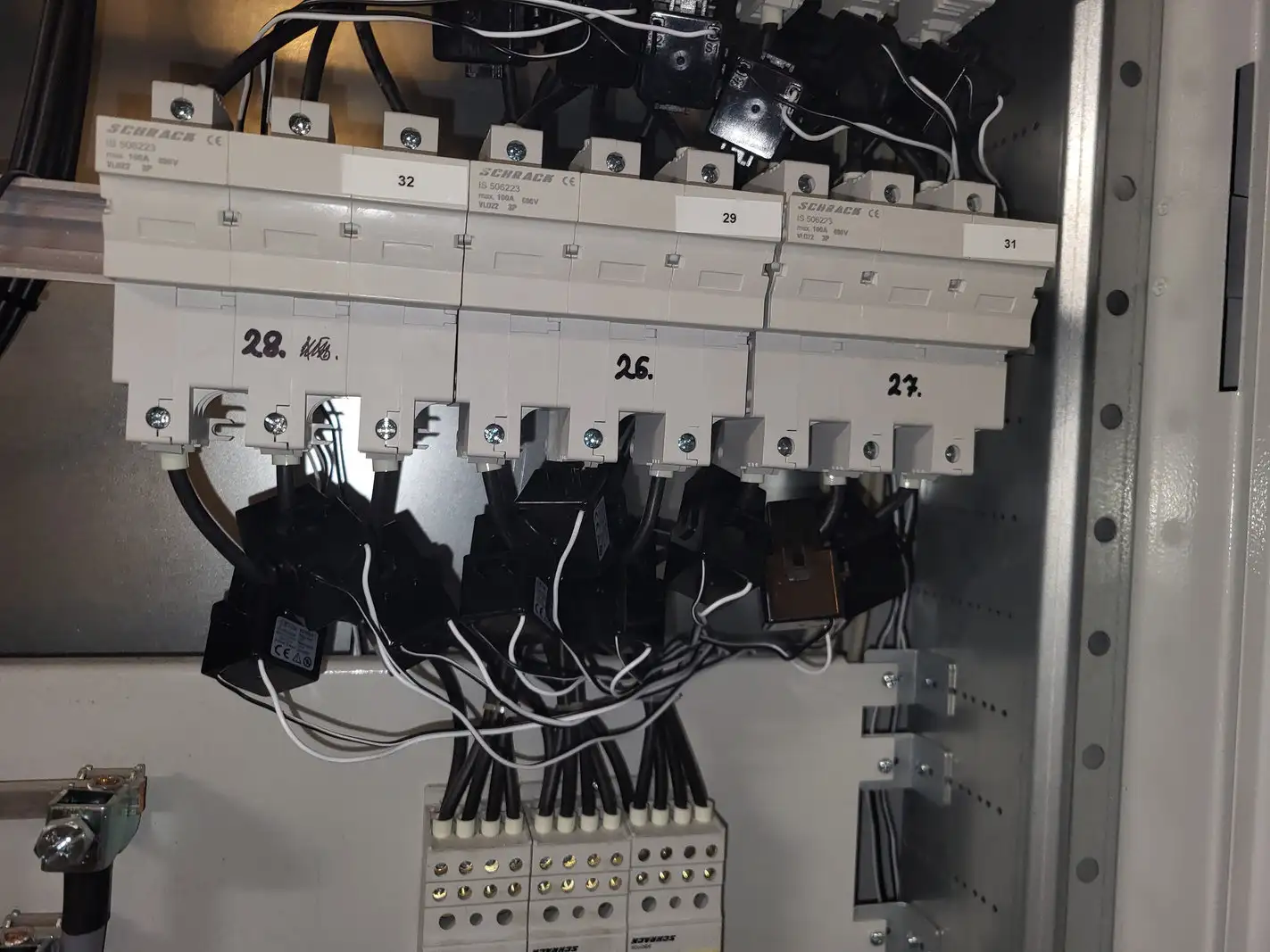
- 1,767 ETON split-core current transformers;
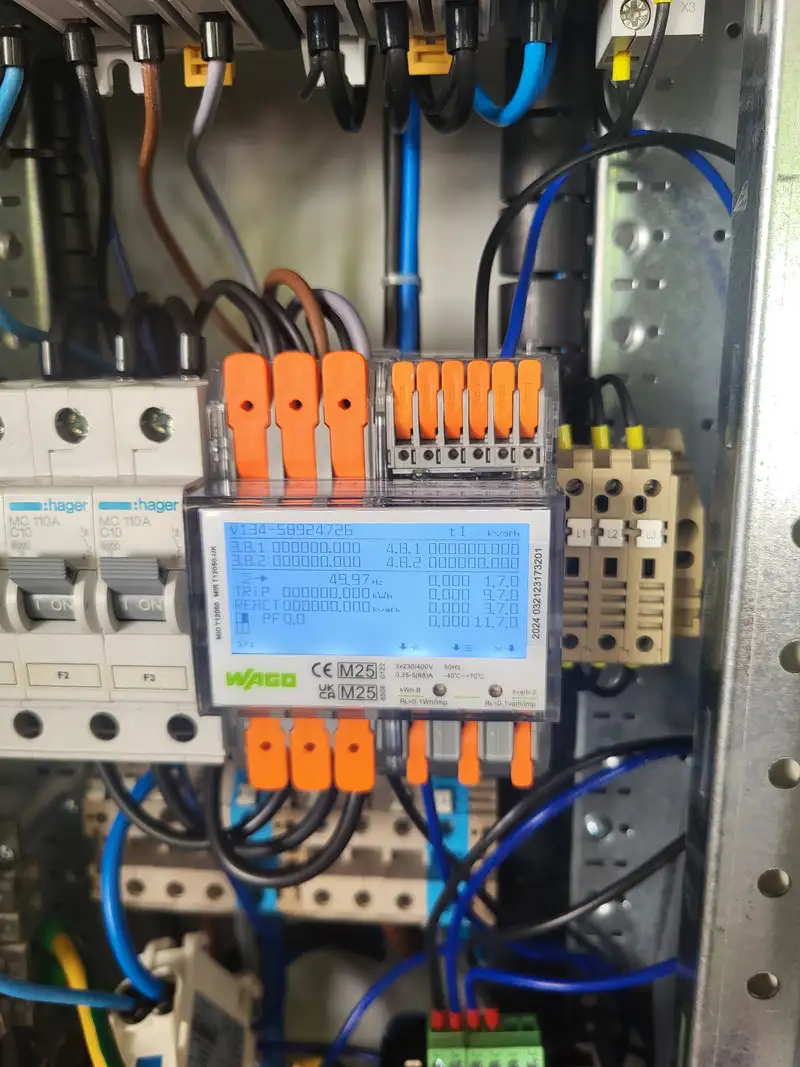
- and 74 existing tenant meters with WAGO meters.
In total, 663 electricity submeters were installed or replaced.
16 sites, one metering system
The objective was not simply to install new meters.
The project required a consistent metering infrastructure through which consumption data from sites located across the country could be collected automatically and processed centrally.
At each location, the following had to be coordinated:
- the existing electrical infrastructure;
- the new metering points;
- current transformers;
- the communication network;
- and the requirements of the data collection system.
The physical metering infrastructure and the IT system had to function as parts of the same solution.
Hundreds of metering points – with minimal disruption to operation
Installing submeters in an operating facility is very different from working in an empty building.
Continuity of operation was an important requirement throughout the project.
The design of the new metering points enabled most of the installation work to be carried out while the electrical systems remained in operation, without shutdowns.
The replacement of existing tenant meters was the main exception, as replacing those devices required appropriate intervention in the existing installation.
For a project of this scale, this was an important consideration.
With 663 metering points, even short interruptions could create significant operational disruption if every installation required a shutdown.
1,767 split-core current transformers
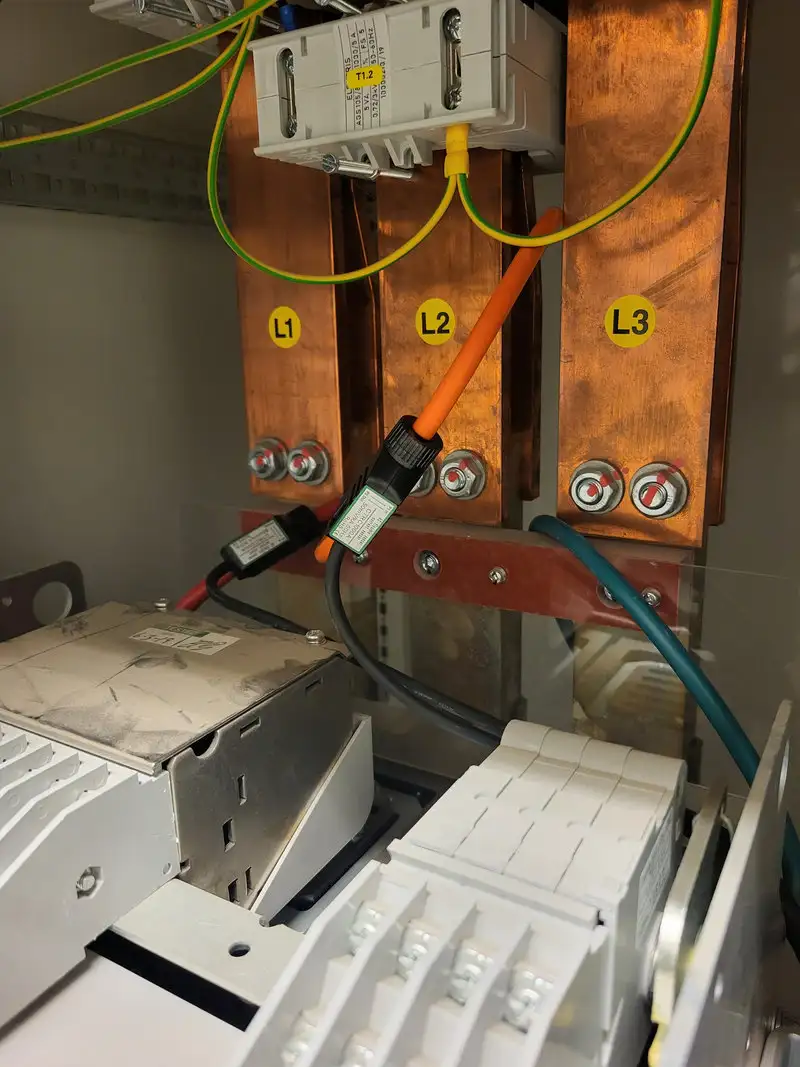
The new three-phase metering points required a total of 1,767 split-core current transformers.
Split-core current transformers can provide an important advantage when existing electrical systems need to be brought into a metering system, as they can significantly simplify installation.
At each metering point, the work involved more than simply fitting the hardware.
It was also necessary to ensure that:
- current transformers were installed on the correct conductors;
- phase allocation was correct;
- measurement direction was correct;
- and meter configuration matched the individual metering point.
In a project involving hundreds of measurement points, consistent installation and verification procedures become critical.
Data collection through a Modbus network
Measurement data from the installed devices is transmitted through a Modbus communication network to the data collection system.
The data collection software for the project was supplied by our technology partner.
The architecture includes:
- a local data collection solution at each site;
- and a nationwide aggregation system.
OMS24 Zrt.’s primary responsibility was the implementation of the physical metering infrastructure and correct installation of the metering devices, providing the foundation on which the partner’s data collection system could operate.
This also demonstrates an important principle in larger energy-management projects:
software can only work with the data that the physical metering infrastructure provides correctly.
The value of the system begins with the data
663 submeters do not create energy efficiency by themselves.
The real value begins when measurement data makes it possible to understand:
- how individual sites consume energy;
- which areas or tenants are responsible for consumption;
- when demand peaks occur;
- how sites differ from one another;
- and where further investigation or intervention may be worthwhile.
A nationwide system also makes it possible to go beyond analysing individual sites and begin benchmarking their performance against one another.
What does this project demonstrate?
Large-scale submetering requires much more than selecting suitable meters.
Successful implementation depends on:
- accurate site assessment;
- a consistent metering concept;
- disciplined installation;
- reliable communication infrastructure;
- correct device configuration;
- and coordination between the physical and IT layers of the system.
The 663 metering points across 16 sites provide the measurement infrastructure required for this process.
The objective is not to put hundreds of meters on the wall.
The objective is to turn hundreds of measurement points into one usable information system.