Hotel Submetering – 44 Metering Points Across One Building

In a larger building, installing an individual electricity meter is rarely the most difficult part of a submetering project.

The real challenge begins when dozens of metering points are distributed throughout the building but all need to become part of one data collection system.

In this hotel project, OMS24 Zrt. implemented an integrated solution covering 44 three-phase electrical metering points.

Measurement data is collected through a Modbus communication network.

36 meters in one location, the rest distributed throughout the building

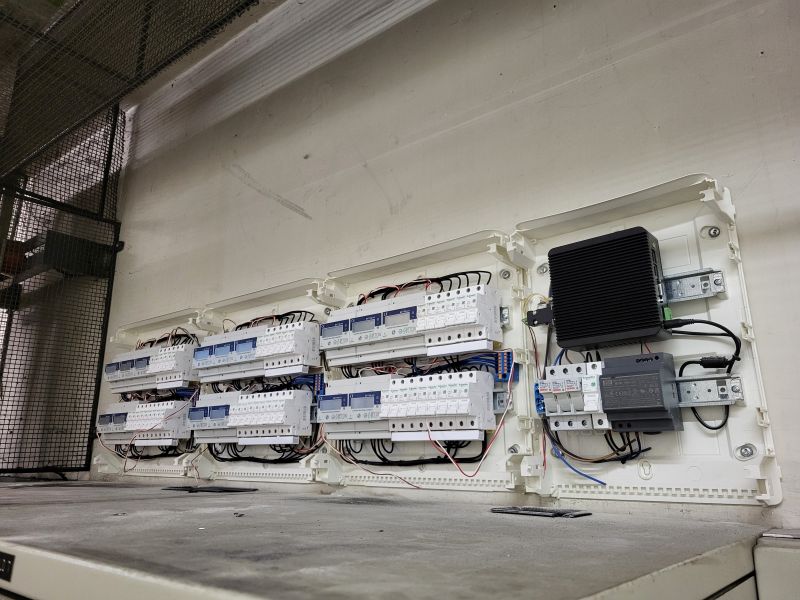
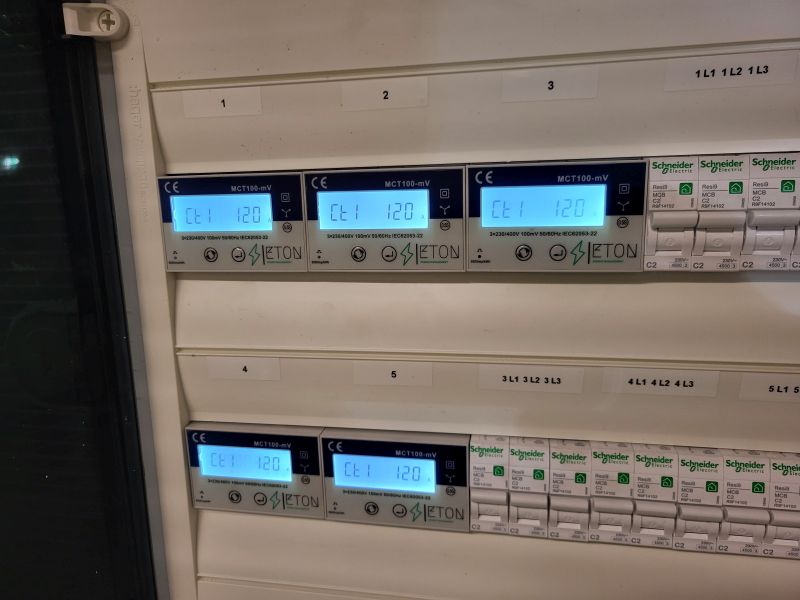
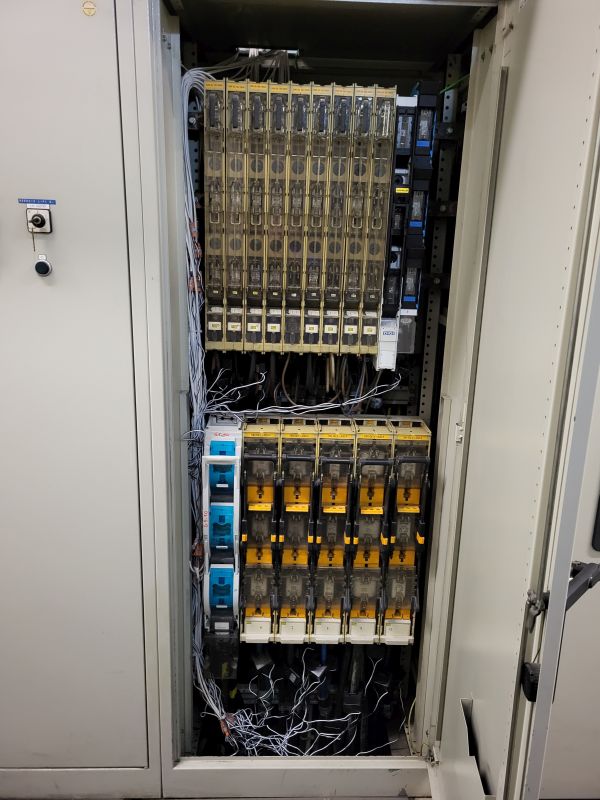
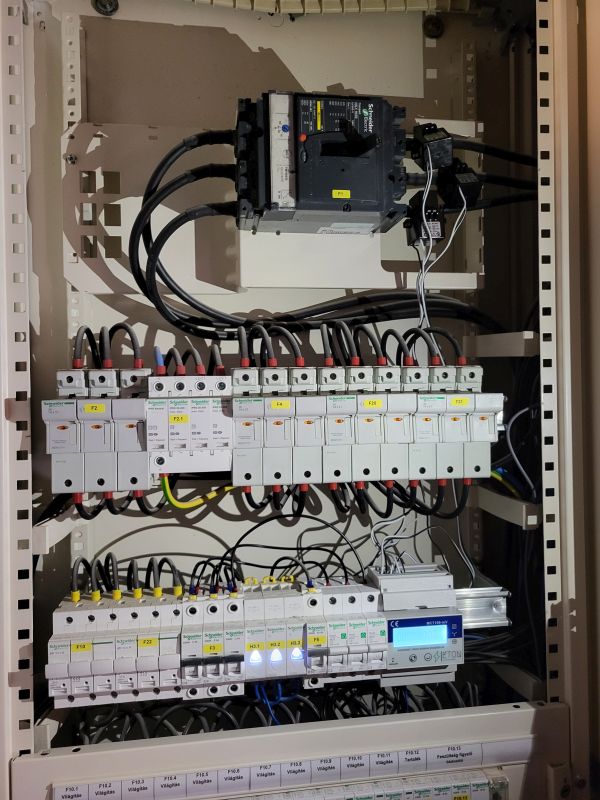
Most of the metering points were concentrated in the hotel’s 0.4 kV main distribution board, which contained 36 meters.

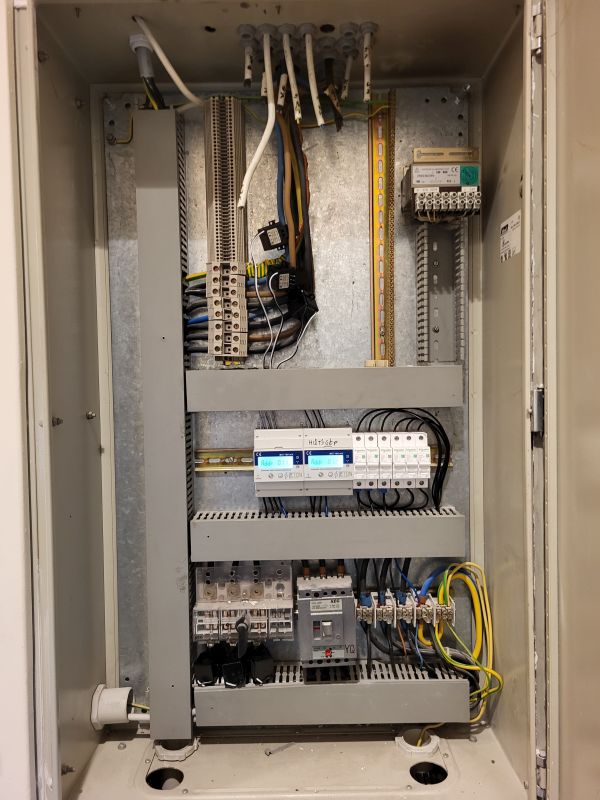
The remaining meters were located at different points throughout the building.

This created two different technical challenges.

Within the main distribution board, a large number of measurement devices had to be consistently:

  • installed;
  • connected to current transformers;
  • connected to the communication network;
  • addressed;
  • and configured.

For meters located elsewhere in the building, the communication architecture had to ensure that their data could also reach the same central collection system.

The meters may be physically distributed, but from a data perspective they need to operate as one system.

Not every metering point required the same solution

The 44-point system involved three different approaches.

38 metering points were completely new installations.

A further four existing tenant meters were replaced with remotely readable devices.

At two other locations, the existing meters themselves were suitable for continued use. Rather than replacing them, communication modules were added, allowing the devices to become part of the common remote data collection system.

This illustrates an important principle when upgrading an existing facility:

retain what still works, replace what needs replacing, and add new measurement where it is required.

New metering points installed without shutdown

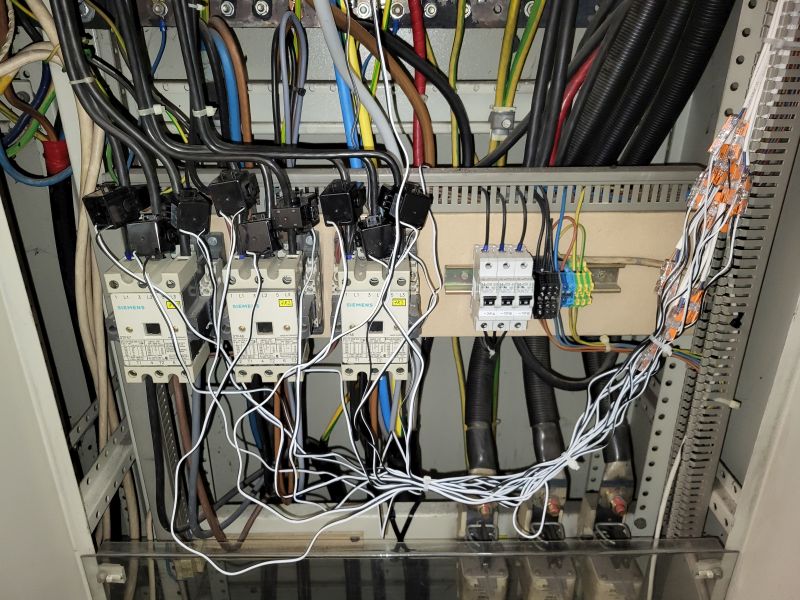
The new measurement points used split-core current transformers.

This allowed the current sensors to be installed without disconnecting the existing conductors, enabling the new metering points to be implemented while the electrical system remained in operation.

For a hotel, this is particularly valuable.

An electrical shutdown may affect:

  • guest rooms;
  • public areas;
  • building services;
  • kitchen equipment;
  • lifts;
  • lighting;
  • and numerous supporting systems.

If the metering system can be installed without disrupting hotel operation, that is a significant operational advantage.

Going beyond minimum regulatory requirements

The client did not limit the project to the minimum measurement points required by regulation.

Additional metering was installed on significant loads and electrical distribution points where the data could provide useful information for energy management and facility operation.

This is an important distinction.

Regulatory compliance tells us what must be measured.

Energy management asks another question:

what would be useful to measure if we want to understand how the building actually operates?

Starting with 15-minute consumption data

At commissioning, the data collection system was configured primarily to collect 15-minute electricity consumption data.

This already provides a basis for:

  • comparing major loads;
  • analysing consumption profiles;
  • identifying peak demand;
  • investigating consumption outside normal operating periods;
  • and identifying potential energy-efficiency opportunities.

The installed hardware, however, can provide much more.

More information is already available from the meters

With appropriate data collection configuration, the installed devices can also provide parameters such as:

  • phase currents;
  • voltages;
  • active power;
  • reactive power and energy;
  • and other electrical network characteristics.

These parameters can also be collected at much shorter intervals than the current 15-minute energy data.

The same infrastructure can therefore support more detailed energy and operational analysis in the future.

Today’s measurement requirements do not have to limit what the system can be used for tomorrow.

Equipment used

The system includes:

  • 38 ETON MCT100-mV electricity meters
  • 4 WAGO 879-3001 electricity meters
  • 75 ETON CT 100 mV / 120 A split-core current transformers
  • 39 ETON CT 100 mV / 400 A split-core current transformers
  • 1 ETON DCT100 data collector
  • 7 ETON Modbus/TCP IP converters
  • 2 Socomec DIRIS A40 Modbus communication modules

Data collection: ETON Energy Management

What does this project demonstrate?

Submetering an existing building rarely means working with one completely uniform technical environment.

There may be:

  • new metering points;
  • existing meters;
  • devices that need replacement;
  • distribution boards in different locations;
  • and different communication requirements.

The objective is therefore not simply to install meters.

The real task is to turn all of those different measurement points into one consistently usable system.

In this project:

  • 38 new metering points were installed;
  • 4 existing meters were replaced;
  • 2 existing meters were upgraded with communication modules;
  • and ultimately 44 metering points were integrated into one data collection system.

The meters may be different and located in different parts of the building.

The data still needs to work as one.