Not every energy-efficiency question requires a permanent submetering system.
Sometimes the first objective is simply to answer one question: what are our machines actually doing when they are not producing?
An industrial client wanted to understand the operating behaviour of four production machines in greater detail.
The objective was to monitor their electricity consumption for four months and determine:
The project involved much more than installing temporary meters.
OMS24 Zrt. managed:
The objective was not simply to generate more charts.
It was to turn measurement data into an operational conclusion.
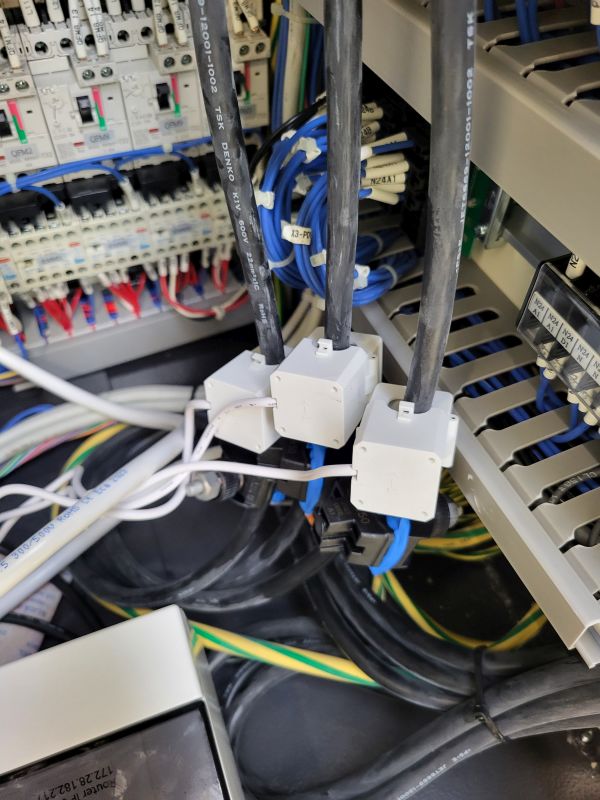
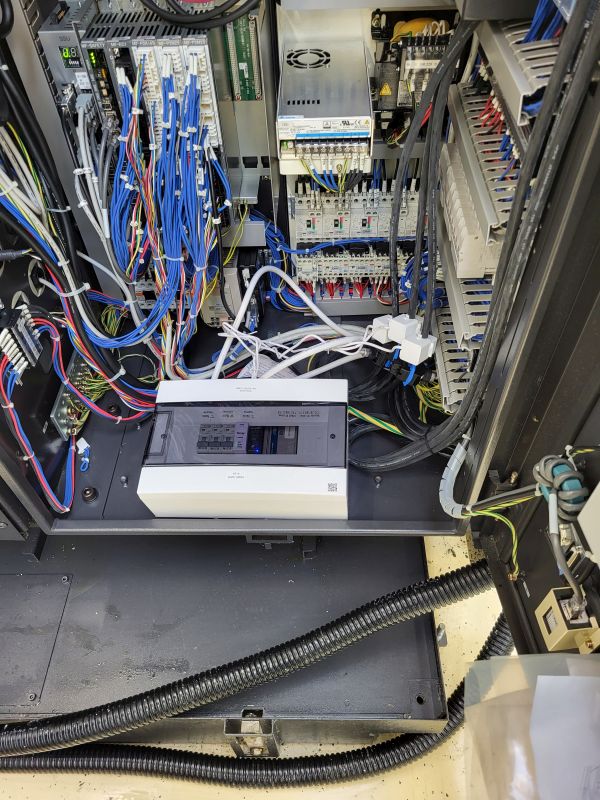
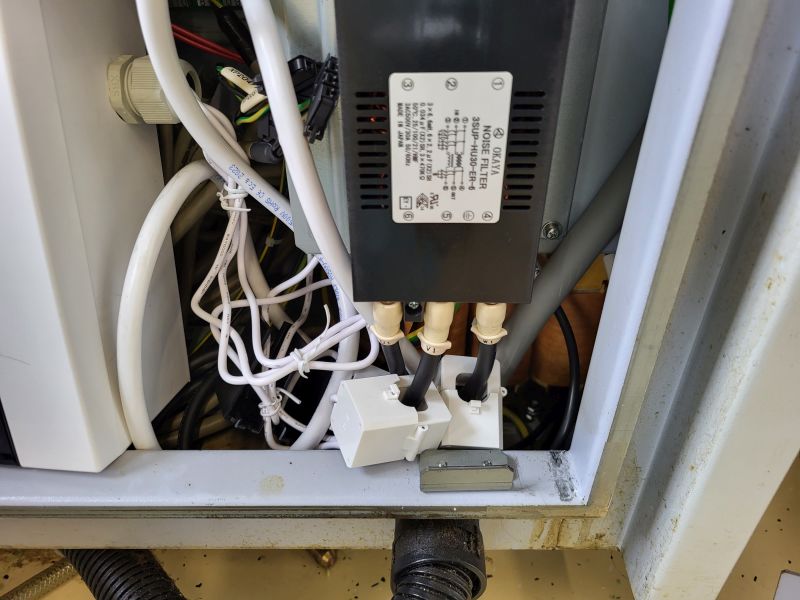
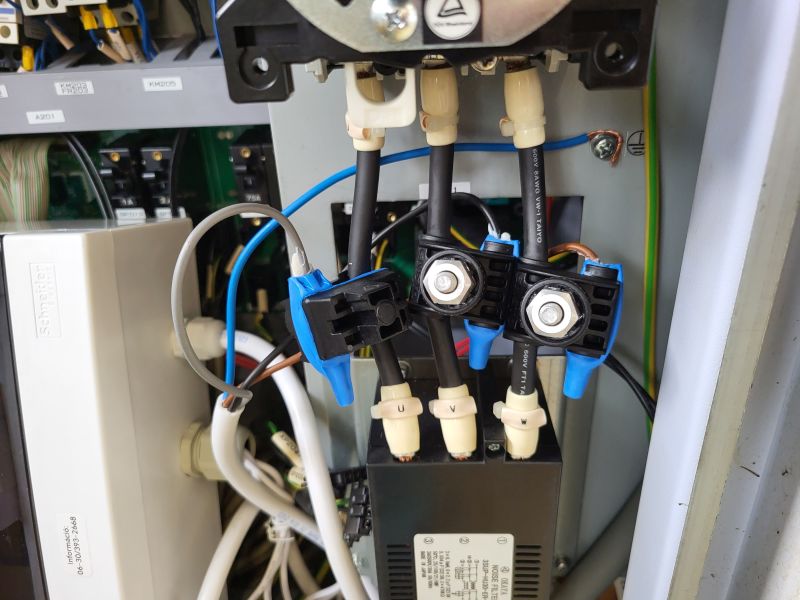
The meters were installed in the 0.4 kV distribution boards of the individual machines, sometimes with very limited space available.
The prefabricated metering enclosures also included industrial GSM communication devices, allowing the measurement data to be monitored remotely during the project.
Technically, continuous remote communication was not essential.
The meters were capable of storing one-minute measurement data locally for up to 60 days, which would also have allowed the information to be retrieved later.
Remote access, however, made it possible to verify during the measurement period that the individual metering points were operating correctly.
In addition to electricity consumption, the system also recorded phase current and voltage values, providing a more detailed electrical picture of machine operation.
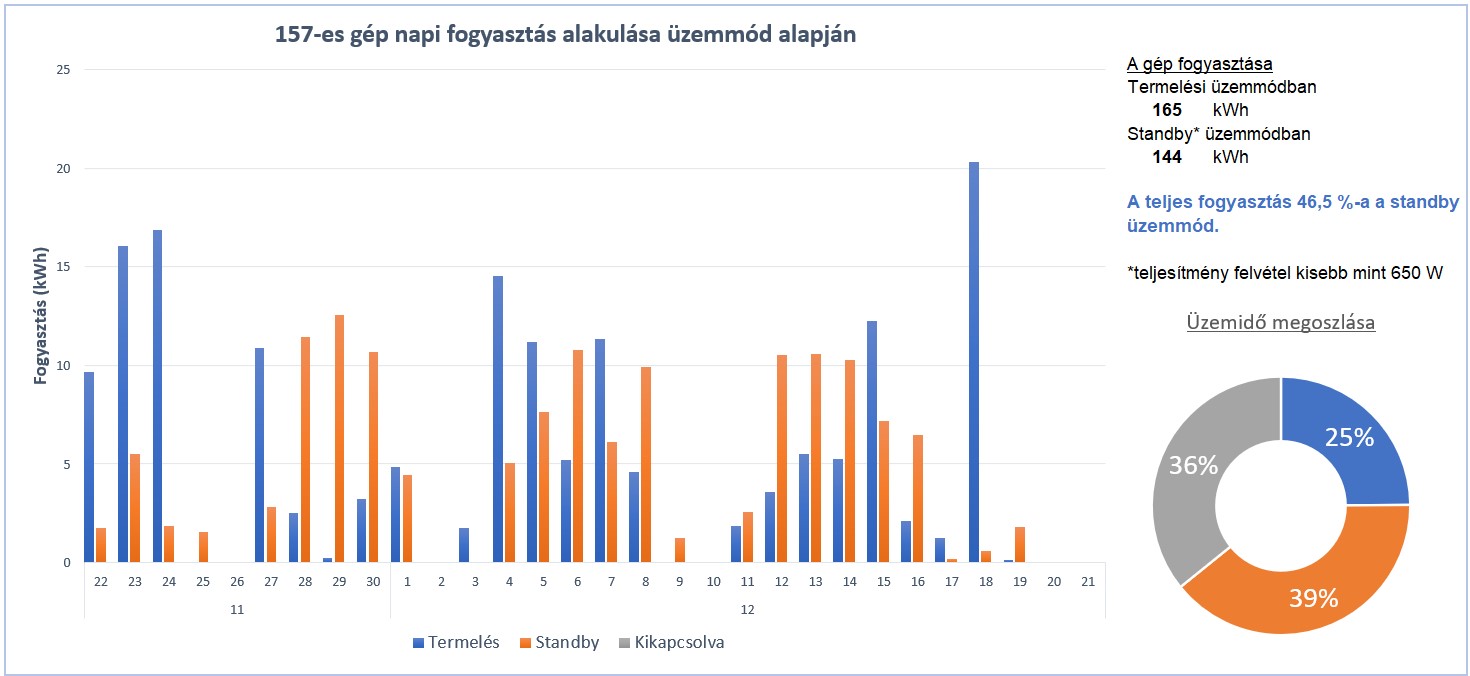
The one-minute data made it possible to distinguish between different operating conditions and determine when the machines were:
This meant that the analysis could show not only how much electricity a machine consumed, but also: what that energy was being used for.
The analysis showed that the time spent in standby or idle operation represented a significant source of unnecessary energy use.
The facility operated a total of 20 similar production machines.
Based on the measurement results, the analysis indicated that reducing the standby time of these machines through improved work organisation could potentially reduce the site’s total annual electricity consumption by approximately 5%.
No major energy investment was required.
The opportunity was primarily operational.
Not every energy question requires permanent measurement.
A carefully selected:
may already be enough to answer a specific operational question.
Temporary submetering can therefore be particularly useful when trying to determine:
Not everything needs to be measured forever.
Sometimes it only needs to be measured until we have enough information to make the right decision.
A permanent submetering system can represent a larger investment.
If it is not yet clear which loads are worth monitoring continuously, a temporary measurement campaign can be an effective first step.
It can reveal:
Temporary submetering is therefore not necessarily a cheaper substitute for a permanent system.
In many cases, it is the step that helps design the permanent system correctly.
Four months of measurement on four machines ultimately provided insight beyond those four machines alone.
It revealed an operating pattern that became significant when considered across a production environment with 20 machines.
The analysis indicated that reducing standby operation through improved work organisation could potentially reduce annual site electricity consumption by approximately 5% – without a major technical investment.
This demonstrates why measurement can be so valuable before investing in new technology.
The solution may not always be a new machine or a new system.
Sometimes the first step is simply understanding how the existing equipment is actually being used.