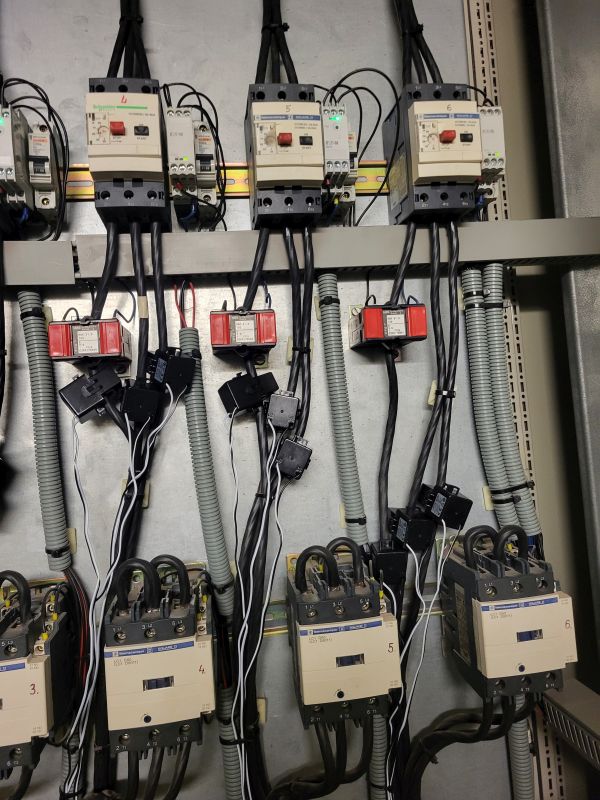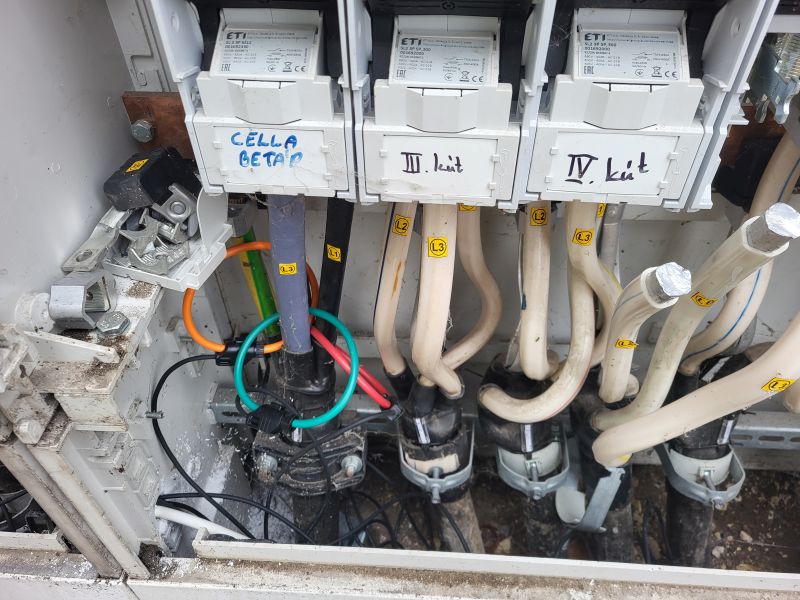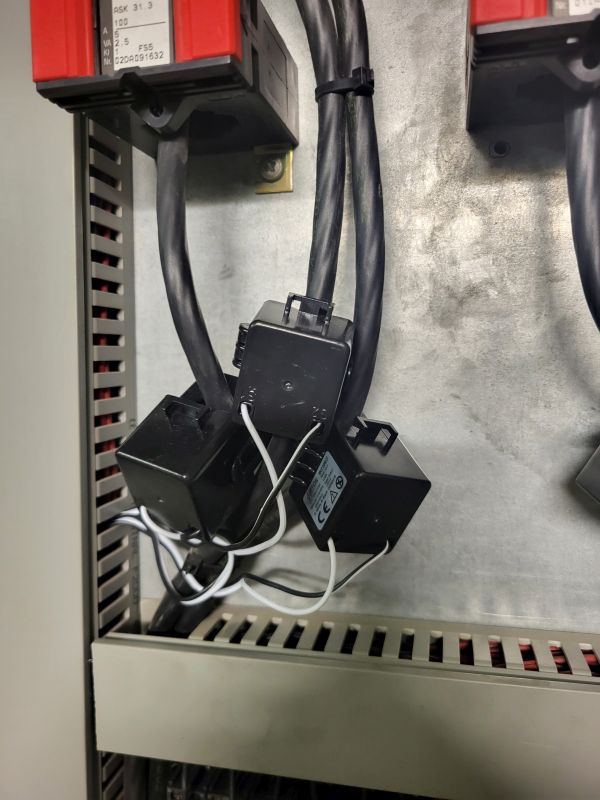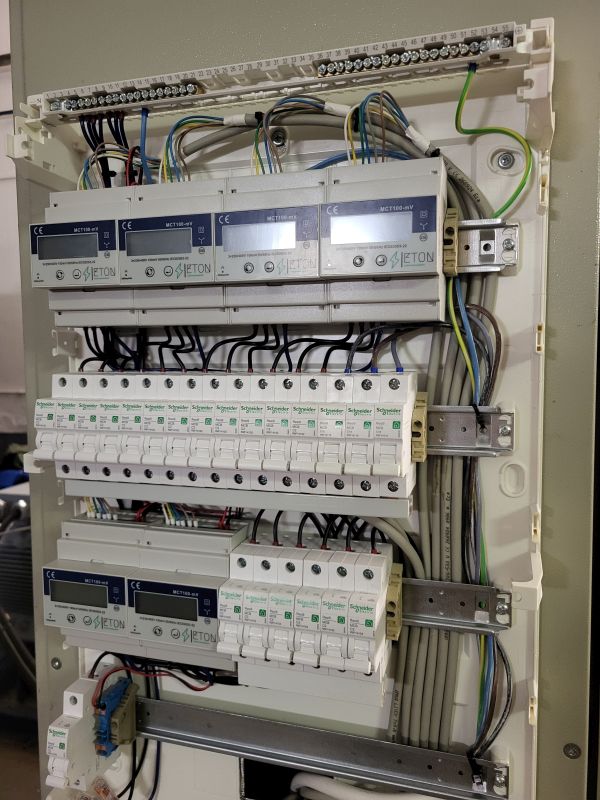
In November 2025, OMS24 Zrt. began working with Nemzeti Vízművek Zrt. on the implementation of electrical submetering systems.
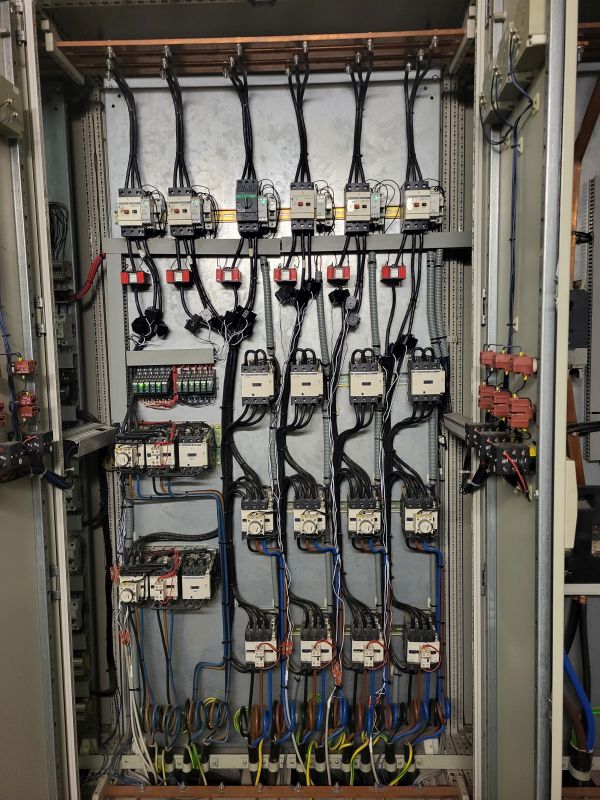
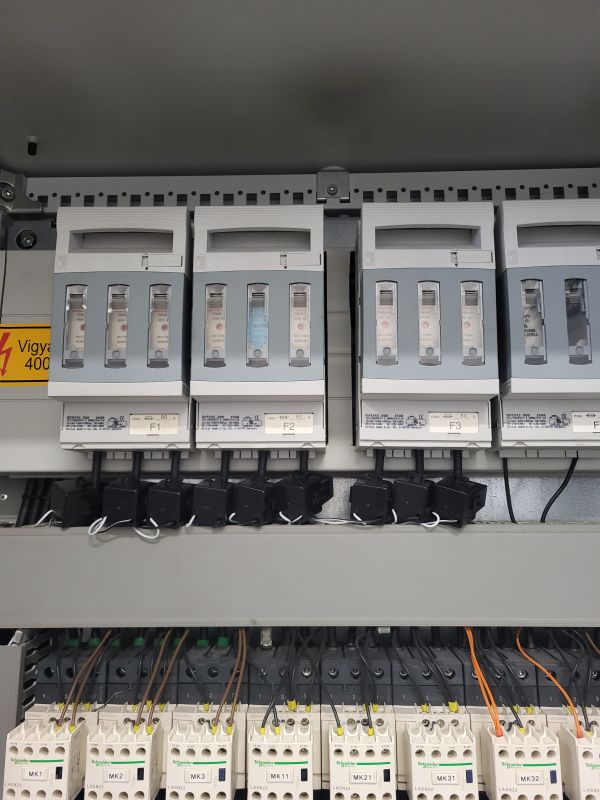
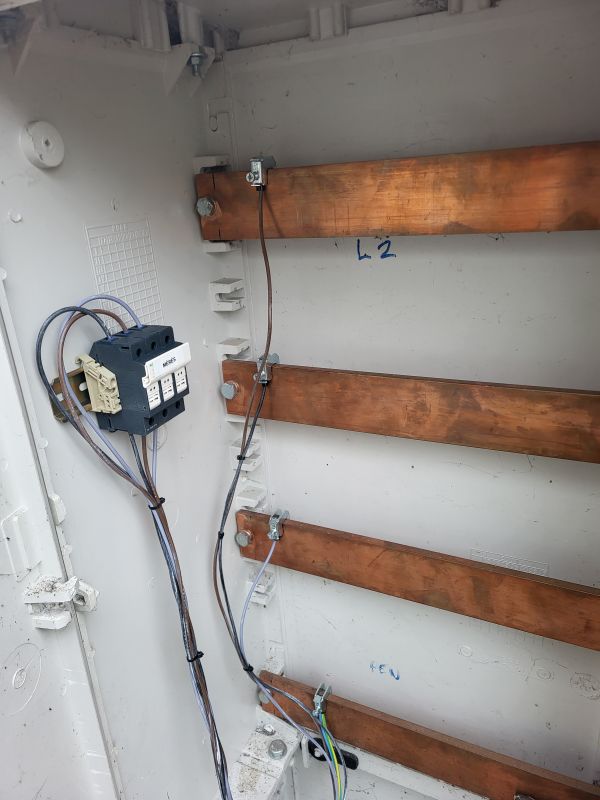
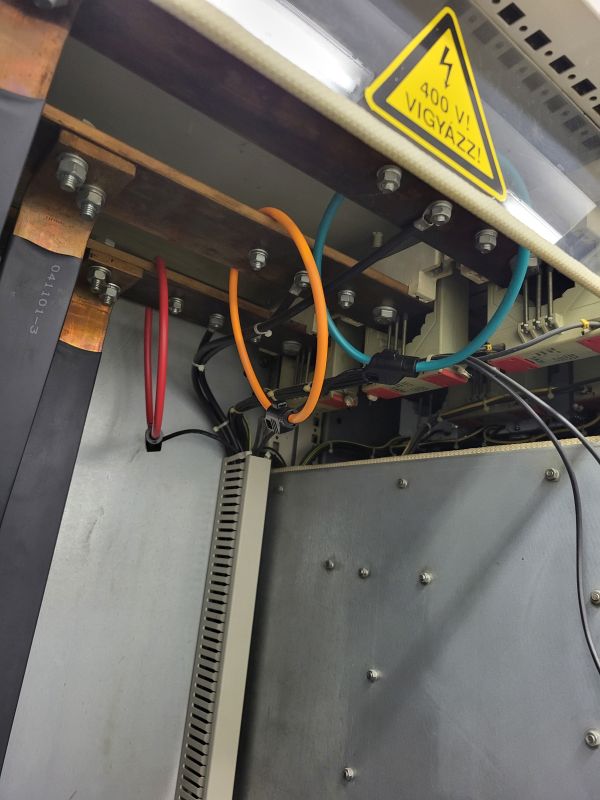
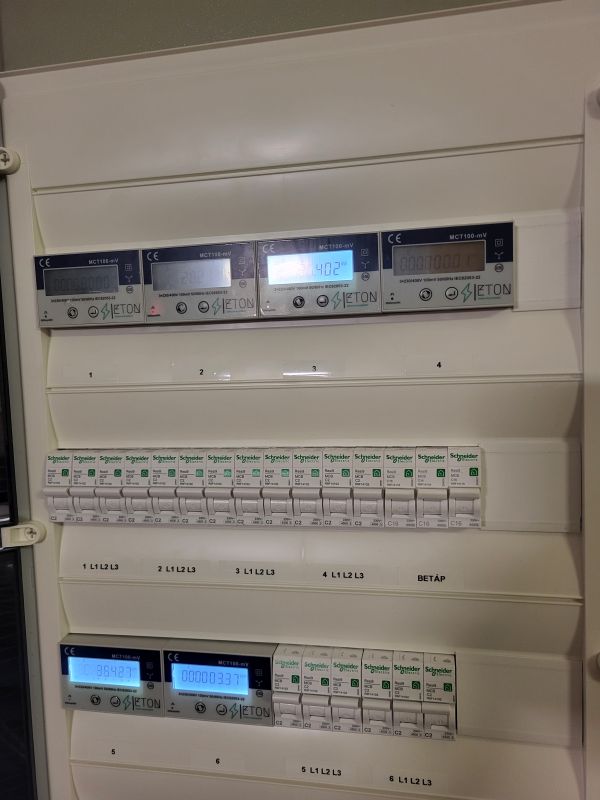
The first project involved the installation of 22 three-phase electrical submetering points across five Mezőföldvíz Kft. sites in Dunaújváros.
The task, however, was not simply to install meters.
The objective was to ensure that the electrical measurement data collected by the new devices could be automatically integrated into the water utility’s existing IT system, where it could later support both energy management and operational activities.
From site assessment to data integration
The work of OMS24 Zrt. began with an on-site assessment.
We had to determine:
- where the individual metering points should be installed;
- which measurement solutions were appropriate;
- how the submeters could be integrated into the existing electrical infrastructure;
- and which communication parameters were required for the data to reach the central IT system.
This was followed by the installation and configuration of the 22 three-phase submeters.
The installed devices communicate via Modbus, so the project also included configuration of the communication parameters and provision of the necessary device information to the existing IT system.
The task therefore did not end when the meters were physically installed.
The data also had to reach the system where the water utility could actually use it.
What can electrical submetering tell a water utility?
The obvious answer is energy consumption.
A detailed metering system can reveal:
- how much electricity individual equipment consumes;
- when higher loads occur;
- how consumption changes over time;
- and where potential energy-efficiency opportunities may exist.
For a water utility, however, electrical measurement data can also provide valuable operational information.
Changes in electrical behaviour can indicate changes in equipment operation
Changes in the operating condition of a pump or other electrically driven equipment can often be reflected in its electrical characteristics.
Potential warning signs may include:
- a sustained increase in current;
- changes in the load profile;
- changes in the relationship between active and reactive power;
- deterioration in power factor;
- or deviations from the equipment’s normal operating pattern.
Such a change does not automatically prove that a fault is developing.
It can, however, provide an early indication that:
the equipment may be worth investigating more closely.
Measurement data can therefore help show not only how much energy a machine consumes, but also whether its operating behaviour has changed.
No one needs to watch the screen continuously.
The value of an automated metering system is not that someone can spend all day watching charts.
Thresholds and alarm conditions can be configured for important operating parameters.
For example, the system may generate an alert if:
- consumption remains above its normal range;
- power factor changes significantly;
- unusual operating hours appear;
- or the consumption profile deviates from established behaviour.
The objective is therefore not simply to generate more data.
It is to turn the right data into useful information at the right time.
Energy data can also become operational data.
This project demonstrates that submetering does not necessarily end with energy reporting.
If the right:
- metering points;
- measurement parameters;
- data resolution;
- and analysis methods
are selected, the same infrastructure can support energy efficiency, operation and maintenance.
Over time, the collected data may also provide a basis for automated trend analysis, anomaly detection and more advanced algorithmic analysis.
A meter by itself only produces data. The value comes from what we learn from that data.
The first step is measuring in the right places.
The 22 metering points installed across the five sites create the foundation for this process.
The next step is to turn the collected data into information that can support real energy and operational decisions.
Because the objective is not to install as many meters as possible.
The objective is to measure what can actually tell us something useful.