Cost-Effective Submetering System for a Theatre

Not every metering project requires a complex data collection platform, continuous cloud connectivity or sophisticated dashboards.

Sometimes the objective is much simpler:

to meet the required measurement needs reliably, with a straightforward solution and a carefully controlled investment cost.

That was the objective of this theatre project.

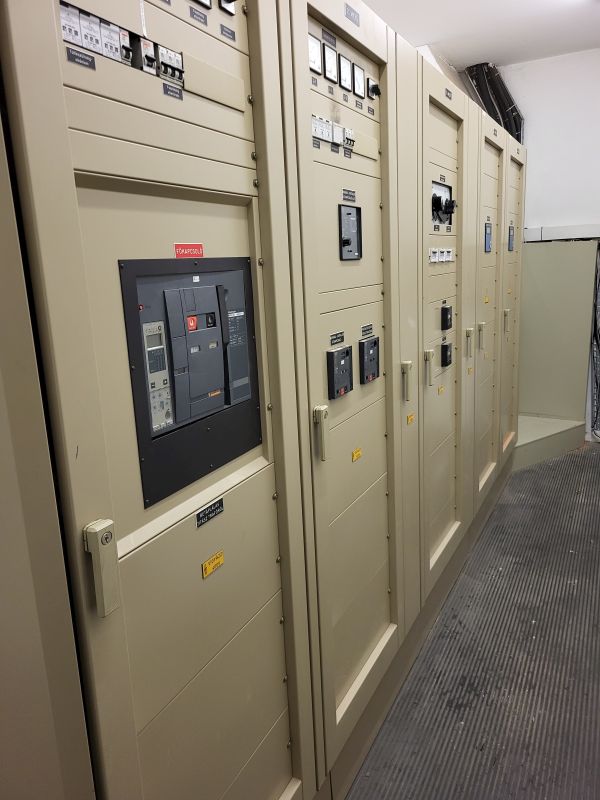
OMS24 Zrt. implemented nine three-phase electrical submetering points, together with the required communication infrastructure.

The system was designed to record 15-minute electricity consumption data and support monthly reporting.

Start by defining what is actually needed

The cost of a submetering system is not determined by the meters alone.

Data collection hardware, servers, software, communication infrastructure and ongoing operation can all add complexity and cost.

In this case, there was no requirement for continuous online monitoring or real-time energy analysis.

The actual need was straightforward:

  • reliable recording of 15-minute consumption data;
  • local storage of the measurement values;
  • remote access once a month;
  • and preparation of the required monthly data report.

For this reason, the system was designed without continuously operating central data collection software.

The meters store the measurement data locally, and the stored values are retrieved remotely once a month.

A simple system with remote access

A simplified architecture does not mean that someone has to visit the site every month.

Network communication was provided so that stored measurement data can be accessed and downloaded remotely.

The system uses Ethernet-based network equipment and a Teltonika communication device to provide the required connection. Data is stored locally and retrieved remotely on a monthly basis.

This demonstrates an important principle:

automation does not have to be complicated to be useful.

The appropriate architecture depends on the problem that actually needs to be solved.

Installation without shutdown

An important requirement when establishing the new metering points was to avoid unnecessary disruption to operation.

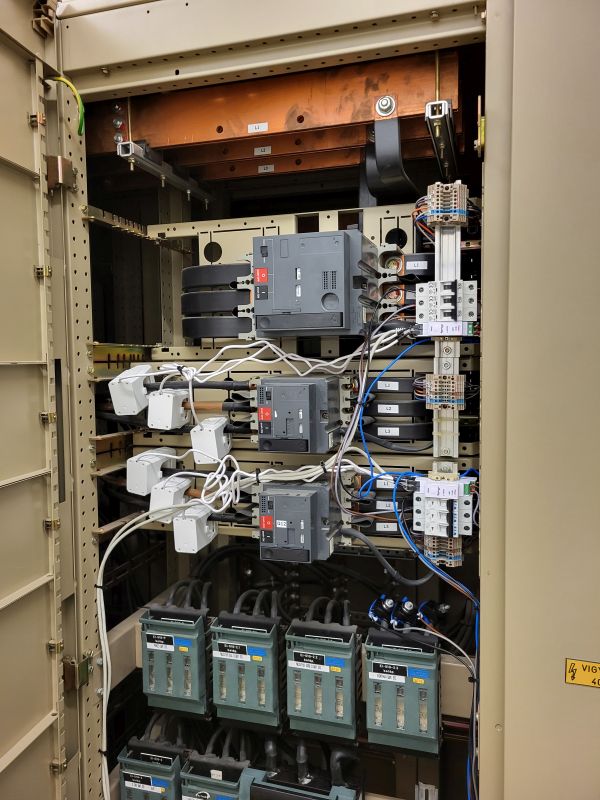
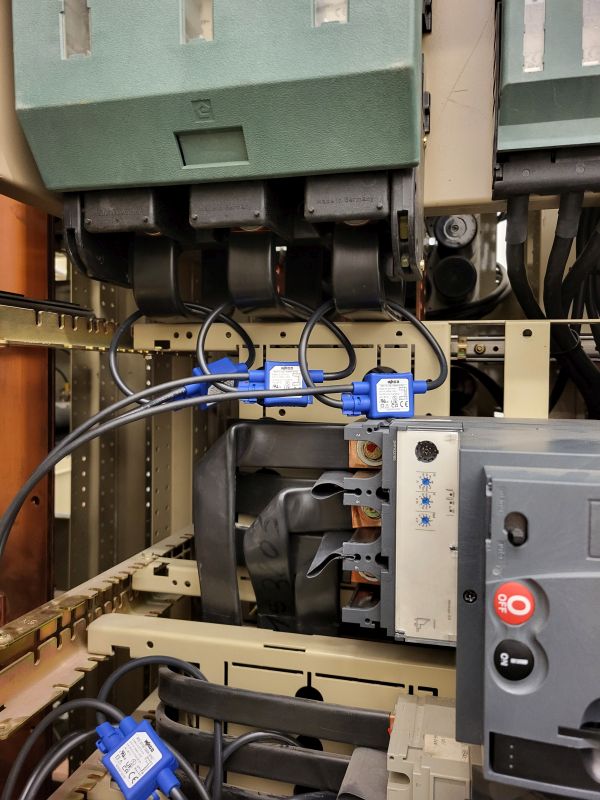
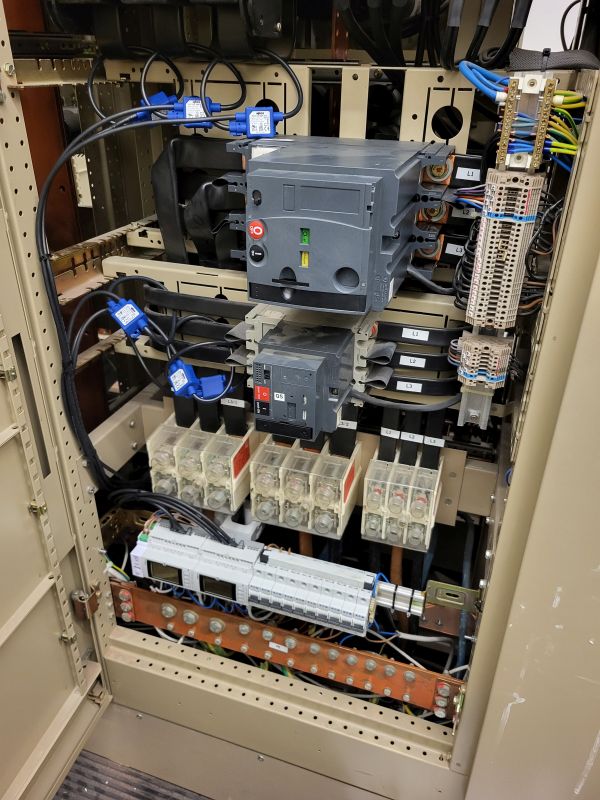
Split-core current sensors and Rogowski coils allowed the current measurement devices to be installed around existing conductors without disconnecting them.

As a result, the new measurement points could be installed while the electrical system remained in operation.

In an operating theatre building, avoiding an electrical shutdown can be particularly valuable.

An interruption may affect stage systems, lighting, building services, offices and other operational areas.

If the required measurement can be implemented without interrupting normal operation, both project risk and coordination requirements can be reduced.

15-minute data today – more capability for the future

The system is currently configured to record 15-minute electricity consumption data.

The installed measurement hardware, however, is capable of providing significantly more information.

When connected to an appropriate data collection platform, additional parameters may include:

  • current;
  • voltage;
  • active power;
  • reactive power and energy;
  • and other electrical network characteristics.

These parameters can also be collected at much shorter intervals than the current 15-minute energy data.

This means that starting with a cost-effective solution does not necessarily create a technical dead end.

If the client later requires:

  • detailed energy analysis;
  • continuous online data collection;
  • automatic alerts;
  • or more detailed electrical monitoring,

the installed metering infrastructure can provide a foundation for further development.

Equipment used

The current project page lists the following equipment:

  • 2 Phoenix EEM-MA371-R electricity meters
  • 6 WAGO PACT RCP-D95 Rogowski coils
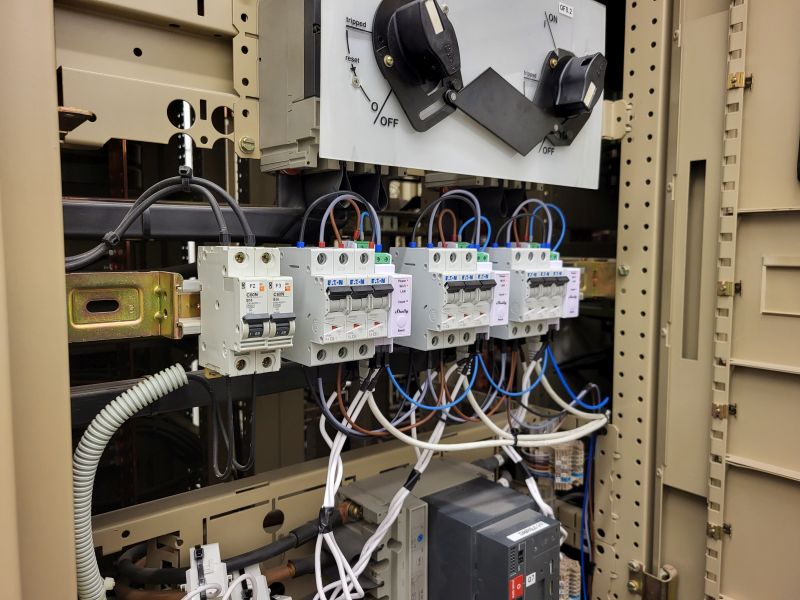
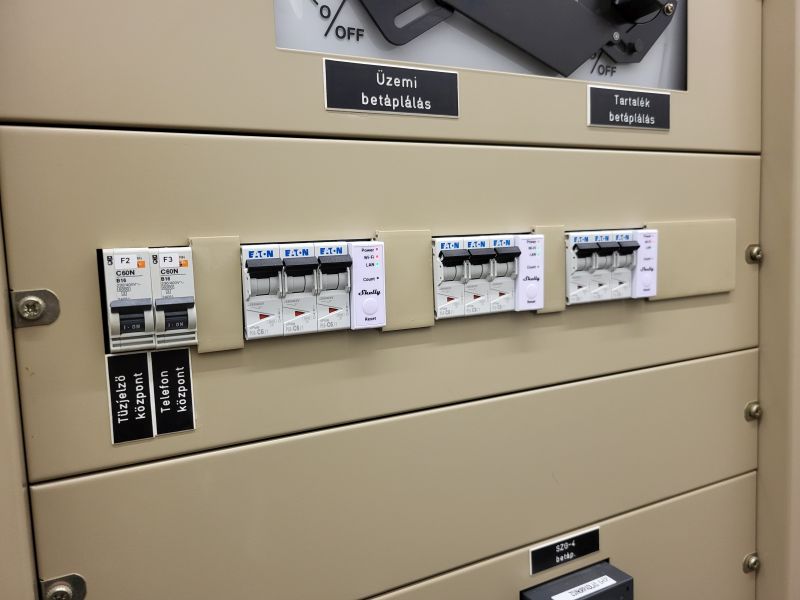
  • 2 Shelly Pro 3EM 120 A units
  • 5 Shelly Pro 3EM 400 A units
  • 1 Teltonika Ethernet router
  • 2 eight-port LAN switches

Data collection: local storage with remote retrieval once per month.

What does this project demonstrate?

When designing an energy monitoring system, it is easy to assume that the solution with the most features must also be the best one.

That is not necessarily true.

A good system provides the functionality that the actual task requires.

For this project, that meant a deliberately simple architecture:

  • nine three-phase metering points;
  • 15-minute data storage;
  • remote access;
  • monthly reporting;
  • no continuously operating data collection platform;
  • while still leaving room for future development.

Not every submetering system needs to be complex.

It only needs to be as complex as the task requires.